Mineralization
Mineralization is a carbon removal process that speeds up the natural carbonation of alkaline materials through capture and conversion of CO₂ into stable, durable carbonate compounds. These compounds can either be stored at the site of mineralization or utilized in the built environment.
- Tons contracted
- 29K
- Dollars contracted
- $18.3M
- Contracted companies
- 9
- Est. total capacity
- 10+ Gtpa
- Average offtake price
- —
- Current price range
- $227–2,515/ton
The approach
Mineralization approaches primarily vary based on where the carbonation occurs and how the solid material is stored.
| Subpathway | Description | Site | Primary output |
|---|---|---|---|
| Surficial mineralization | Material containing alkaline minerals (e.g., mine tailings and industrial residues) are treated to increase their carbonation rates with atmospheric CO₂. This is an end-to-end CDR approach. | Active or orphaned mine sites or industrial facilities (e.g., steel, cement, and lime production sites) | Solid carbonates stored above ground |
| Ex-situ mineralization | Material containing alkaline minerals (e.g., mine tailings and industrial wastes) are treated to increase their carbonation rates with external, concentrated, CO₂ sources (biogenic or DAC). This is a CO₂ storage approach and needs to be paired with a removal technology to be an end-to-end solution. | Active or orphaned mine sites or industrial facilities (e.g., steel, cement, and lime production sites) | Solid carbonates stored above ground |
| In-situ mineralization | CO₂-bearing fluid is injected into alkaline rock deposits in the earth's subsurface to mineralize the CO₂. This is a CO₂ storage approach and needs to be paired with a removal technology to be an end-to-end solution. | Injection wells above mafic or ultramafic rock deposits | Solid carbonates stored below ground |
Mineralization's role in a CDR portfolio
Mineralization offers a promising path to high-volume, low-cost removal by relying on natural carbon cycles. Reports estimate there are enough alkaline minerals in mining waste alone for 1.1 - 4.4 Gtpa of CDR. Dedicated mining of alkaline rock offers substantial additional capacity if social acceptance permits. Subsurface deposits of mafic and ultramafic rock are practically unlimited in capacity for CO₂ storage via in-situ mineralization and conditions for economic operations are currently under development.
Surficial mineralization can scale quickly and at a low cost of capital since many approaches do not require massive new infrastructure or technical breakthroughs. Surficial and ex-situ mineralization are compatible with existing industrial sites around the globe. Dedicated mining of alkaline rock could leverage the existing scale of the global mining industry. These factors make surficial mineralization a strong candidate to contribute a large percentage of the global CDR portfolio.
Many mineralization approaches have minimal energy needs. Because the work of capture and storage is primarily done by the alkaline materials, well-designed mineralization approaches (e.g., utilizing pre-ground waste materials or passive air contacting strategies) offer a hedge against energy system uncertainties faced by other energy intensive pathways (e.g., carbon-free power procurement and transmission/distribution capacity, etc).
In the near-term, mineralization challenges typically stem from potential ecosystem and health risks from metals contamination of soils/ground water sources or the inhalation of fine dust particles during deployment. Following strong procedures to screen feedstocks, adhering to regulations around dust inhalation, and instituting rigorous ecosystem safety monitoring is critical.
Mineralization can offer strong co-benefits that may help build social and policymaker support. Mineralization approaches could potentially recover critical minerals like nickel and cobalt from alkaline feedstocks and reduce the risk of environmental impacts from untreated mine residues (e.g., remediating asbestos mine tailings).
Characteristics of great projects
The shape of a great mineralization project will vary depending on the sub-pathway pursued, but all must thoughtfully balance feedstock tradeoffs between reactivity, availability, environmental safety, and the cost of additional processing. A great mineralization project for Frontier:
Creatively accelerates mineralization rates. The best approaches will develop a scalable way to accelerate mineralization at a low cost. This could include innovations to acid or thermochemical treatments to lower energy costs, the sourcing of high-reactivity feedstocks that require less milling to reach effective grain sizes, or the utilization of biological accelerants.
Has a robust feedstock sourcing and deployment strategy that balances alkalinity tradeoffs. Projects must have a thoughtful feedstock sourcing strategy to balance cost and efficacy, which depends on a feedstock's mineralization rate, availability, CDR efficiency (e.g., CDR per ton rock), counterfactual fate, and concentration of contaminants to ensure reliable MRV and ecosystem safety. Projects are co-located with alkalinity sources or otherwise minimize the cost and emissions of transport.
Has a strong roster of partners. For early-stage companies, the most promising mineralization projects will secure feedstock partnerships by easily integrating with existing operations and/or by providing compelling co-benefits such as pile dam stabilization, critical mineral extraction, toxic waste remediation, or other co-product production.
Clear cost-down trajectory through industrial integration. While removals from early projects may be expensive, there must be a clear and rapid cost-down trajectory leveraging the speed and scale of existing industries (e.g., hardrock mining).
Frontier's Mineralization portfolio
Frontier has purchased from a number of exciting mineralization projects that match these characteristics. Below are examples from our portfolio.

Anvil
- Track
- Prepurchase - 2024
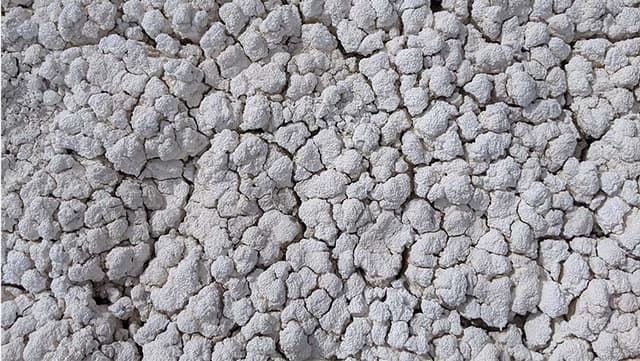
Anvil contacts alkaline minerals with atmospheric CO₂ in a low-energy system that speeds up the mineralization process. The resulting solid carbonate minerals are then stored durably on-site and the removal can be easily measured. The team is targeting a promising, highly reactive feedstock and accelerating its broad use for removal at scale.
Arca
- Track
- Prepurchase - 2022
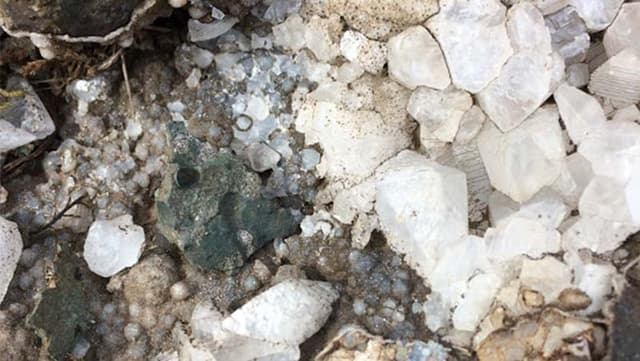
Arca is capturing CO₂ from the atmosphere and mineralizing it into rock. They work with producers of critical metals, transforming mine waste into a massive carbon sink. With autonomous rovers, their approach accelerates carbon mineralization, a natural process storing CO₂ permanently as new carbonate minerals. By creating a system that works directly at the mine site, Arca avoids the cost and emissions of moving material to processing facilities.
Cella
- Track
- Prepurchase - 2022, 2025
Cella is advancing in-situ mineralization (ISM) in deep underground basalt formations, converting captured CO₂ into durable mineral carbonates. Their subsurface and monitoring technologies expand where geological storage is feasible while supporting durable, verifiable long-term carbon storage.
Exterra Carbon Solutions
- Track
- Prepurchase - 2024
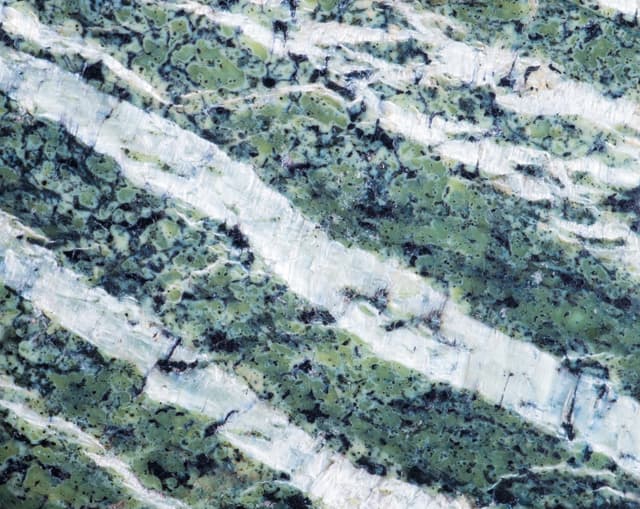
Exterra uses a thermochemical process to transform mine waste into fast-dissolving alkaline minerals for carbon removal. Their process cleans up mine sites by eliminating asbestos residues and also extracts low-carbon metals like nickel that can be sold to reduce the cost of removal.
Karbonetiq
- Track
- Prepurchase - 2025
Karbonetiq takes alkaline industrial residues that naturally absorb CO₂ from the air and cycles them through a low-cost, passive aeration system with sensors to measure how much carbon is captured. Their system could improve mineralization rates by increasing exposed surface area and minimizing deployment footprint, allowing projects to be co-located with existing industrial activities.
Purchase targets
Frontier continues to look for new purchases from Mineralization companies that complement our existing portfolio and address gaps that accelerate the field more broadly. If you think your company could be a good fit for Frontier's offtake program, please apply below.
Apply for Offtake track
We are also looking for earlier-stage companies with novel, potentially breakthrough approaches that address the target innovation areas outlined here. If you think your organization could be a good fit for Frontier's Innovation program, please apply below.
Apply for Innovation track
Pathway resources
CarbonPlan's Verification Frameworks