Marine carbon removal
Marine carbon dioxide removal (mCDR) includes a range of approaches that remove CO₂ from the atmosphere and store it in oceanic environments. Frontier’s mCDR purchases focus exclusively on abiotic pathways that use the inorganic ocean bicarbonate buffer system for durable carbon storage. Pathways in this category enhance the storage capacity of ocean water by either extracting CO₂ or adding alkalinity for additional uptake of atmospheric CO₂.
- Tons contracted
- 249K
- Dollars contracted
- $100.6M
- Contracted companies
- 16
- Est. total capacity
- Functionally unlimited
- Average offtake price
- —
- Current price range
- $238–1,961/ton
The approach
mCDR covers a particularly broad range of approaches, each with their own benefits and challenges. The three primary categories of abiotic mCDR are Direct Ocean Removal (DOR), Ocean Alkalinity Enhancement (OAE), and Inland Water Alkalinity Enhancement (IWAE). In addition, Frontier characterizes Accelerated weathering of limestone (AWL) under mCDR because this storage approach stores CO₂ directly in the ocean carbonate buffer system even though removal happens before discharge.
| Pathway | Description | Subpathway | Approach |
|---|---|---|---|
| Direct Ocean Removal (DOR) | CO₂ is removed from seawater and stored via geologic injection or mineralization. The CO₂-depleted water is released back to the surface ocean where additional CO₂ is taken up via equilibration with the atmosphere. | – | Electrodialysis |
| Electrolysis | |||
| Photochemical | |||
| Mineral looping | |||
| Ocean Alkalinity Enhancement (OAE) | Alkalinity is added to the ocean to enhance its ability to absorb and neutralize acids such as carbonic acid, enabling the uptake of more atmospheric CO₂. This can be achieved through by adding alkaline minerals (Mineral OAE) or by splitting seawater into acid and base, removing and neutralizing the acid, and returning the base to the ocean (Electrochemical OAE). | Electrochemical (e-chem) | Electrodialysis |
| Electrolysis | |||
| Mineral | Coastal outfall | ||
| Coastal shelf | |||
| Open ocean | |||
| Inland Water Alkalinity Enhancement (IWAE) | Similar to Mineral OAE, but takes place in inland bodies of water that typically have high biogenic CO₂ concentrations and low carbonate saturation state, which can accelerate mineral dissolution. Alkalinity is added to catalyze the conversion of CO₂ to bicarbonate for storage in the ocean. | Mineral | River and estuary |
| Wastewater treatment facilities | |||
| Accelerated weathering of limestone (AWL) | Concentrated CO₂ (biogenic or DAC) is contacted in a reactor with carbonate minerals to form a stable bicarbonate solution that can be released into the ocean. AWL alone presents a storage pathway and requires a capture pathway such as BECC or DAC. | Mineral | Coastal or river outfall |
| Biotic mCDR | Biotic mCDR encompasses a variety of solutions that leverage biological processes to enhance carbon storage in marine environments (e.g. ocean iron fertilization, macroalgae cultivation and sinking and others). | – | – |
mCDR’s role in a CDR portfolio
Abiotic mCDR could scale to large volumes in the future. Abiotic mCDR pathways have the major advantage over other pathways of having functionally unlimited storage potential given the large capacity of the ocean’s dissolved inorganic carbon (DIC) pool.
One of mCDR's major challenges is operating cost-effectively in the ocean. Relative to terrestrial approaches, deploying in marine environments can introduce additional complexities including the handling of ocean water, siting, measurements for verification, operating within a complex and uncertain regulatory regime, and CO₂ and byproduct handling (for DOR and e-chem OAE). Questions around ecosystem impacts can make permitting and building local support more difficult, costly and, ultimately, slow mCDR's path to scale. Given those additional challenges, it only makes sense to pursue mCDR approaches that offer clear cost, scale, or co-benefit advantages over terrestrial alternatives.
Of all mCDR approaches, mineral OAE and IWAE offer the most compelling, low tech path to meeting these criteria and could make up a large portion of the future CDR portfolio. However, the availability and location of suitable mineral feedstocks for ocean application or the low-carbon, low-cost production of CaO and MgO from limestone remain open questions.
DOR and electrochemical OAE present fewer ecosystem and MRV questions. Because they do not introduce any new materials into seawater, these approaches are potentially easier to verify and secure permits for. It's also easier to mitigate and manage unintended ecosystem impacts compared to mineral OAE. However, they can be expensive, energy intensive and generate byproducts like HCl acid or CO₂ streams that need to be effectively neutralized, stored, or otherwise managed.
AWL presents a promising storage pathway for geographies with limited access to geologic storage. Since the approach releases buffered effluent at conditions closely matched to the ambient chemistry of the receiving waters, the MRV and ecosystem risk are minimized. Cost-effective solutions that avoid residual excess CO₂ to maintain ecosystem safety are of interest.
Deploying responsibly is especially critical for projects operating in marine environments. While we need to move quickly to scale CDR, mCDR projects must be carefully designed to limit potential negative impacts and answer questions about their safety and efficacy prior to scaling. It's essential that projects collect strong data on environmental baselines (e.g., pH, species distribution) prior to deployment, establish robust processes to monitor those baselines throughout deployment, and have clear safety thresholds that if crossed, require projects to pause or suspend operations. Additionally, projects should share project data transparently and engage with local communities and environmental organizations.
Characteristics of great projects
The shape of a great mCDR project will vary depending on the sub-pathway pursued, but all must thoughtfully approach operating cost-effectively and measuring removals in a marine environment, mitigating unintended impacts to coastal environments, and engaging effectively with local communities. These diverse challenges may be best addressed by a strong roster of partnerships with respected local groups and scientific experts. A great mCDR project for Frontier will include:
Robust, rigorous MRV. Approaches with strong quantification plans that can measure the amount of alkalinity added and credibly model the resulting CO₂ removed (and/or measure the bicarbonate formed) through the intervention will be able to increase MRV certainty.
Integration with existing infrastructure. Rather than starting from scratch, mCDR projects can benefit from existing water handling infrastructure like desalination plants, power plant cooling, and/or wastewater treatment plants. This will allow projects to benefit from existing supply chains and industrial operations including permits and avoid the costly engineering challenges of building new infrastructure in a marine environment.
Robust feedstock sourcing and deployment strategy. For Mineral OAE, IWAE and AWL, teams must have a clear feedstock sourcing strategy that can expand to climate-relevant scale, including an analysis of the feedstocks' CDR capacity, variability, and concentration of contaminants to ensure reliable MRV and ecosystem safety. Teams should also evaluate whether there are more climate-efficient uses for the feedstock outside of CDR.
Robust management of byproducts and contaminants. E-chem OAE developers must have a scalable strategy for acid disposal that renders the by-product permanently inert to the global carbon cycle. Mineral OAE developers using mined feedstocks must have strong ecosystem safety guardrails to screen feedstocks or develop an approach to remove or neutralize potentially harmful contaminants.
Resilience against immature supply chains. Approaches that rely on well-established, scalable supply chains will have a higher likelihood of success and scale faster. Approaches that rely on niche components (e.g., bespoke membrane technology) must be paired with a believable sourcing or manufacturing strategy to deploy this technology at scale.
Compelling evidence of co-benefits. Projects that have the potential to generate co-benefits such as ecosystem restoration, improved aquaculture yields, and local deacidification, along with a strategy to quantify these benefits, will have an easier time developing social acceptance to operate and scale.
Frontier’s mCDR portfolio
Frontier has purchased from a number of exciting mCDR projects that match these characteristics. Below are examples from our portfolio.
CarbonRun
- Track
- Offtake - 2024
- Prepurchase - 2023, 2024
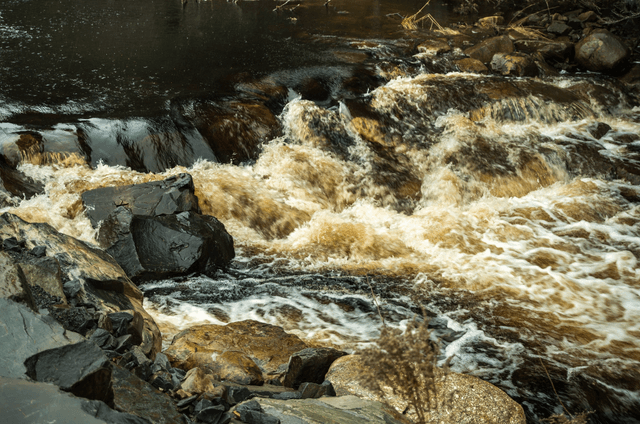
CarbonRun adds crushed limestone to acidified rivers, raising the pH and enabling carbon removal while simultaneously generating ecosystem benefits like salmon population restoration. Their cheap, widely available feedstock will allow them to scale quickly and keep costs low, and by operating in rivers, they can take direct measurements upstream and downstream of a treatment point, lowering the cost of MRV. CarbonRun’s community engagement approach is best-in-class, and they have secured support from local governments, First Nations groups, and environmental organizations, facilitating faster scaling.
Planetary
- Track
- Offtake - 2025
- Prepurchase - 2023, 2025
Planetary introduces alkaline materials to existing ocean outfalls like wastewater treatment plants and power station cooling loops. The integration with existing infrastructure lowers deployment costs and speeds up feedstock dissolution through enhanced mixing. Their strong operational execution and multi-pronged approach to sourcing and deploying alkalinity has allowed them to be among the first mineral OAE companies to remove near-term volumes.
Banyu Carbon
- Track
- Prepurchase - 2023
Banyu uses a photoexcitable molecule to generate acid from seawater in a reversible reaction, which is used to cause CO₂ outgassing for capture and removal. Their novel approach using sunlight offers a potential path to very low energy DOR that may even generate excess clean power to return to the grid.
Planeteers
- Track
- Prepurchase - 2024
Planeteers uses a novel pressure-swing process to turn widely available limestone into hydrated carbonate minerals (HCMs), an ultra fast-dissolving feedstock for mineral OAE. They directly integrate with wastewater treatment plants, which enables direct measurements for MRV and dropping capex costs by leveraging existing infrastructure. These integrations will also allow them to prototype and improve their technology rapidly before expanding to open waters.
Purchase targets
Frontier continues to look for new purchases from mCDR companies that complement our existing portfolio and address gaps that accelerate the field more broadly. If you think your company could be a good fit for Frontier's offtake program, please apply below.
Apply for Offtake track
We are also looking for earlier-stage companies with novel, potentially breakthrough approaches that address the target innovation areas outlined here. If you think your organization could be a good fit for Frontier's Innovation program, please apply below.
Apply for Innovation track
Pathway resources
Frontier mCDR resources
CarbonPlan’s Verification Frameworks