Enhanced weathering
Enhanced weathering (EW) is a carbon removal process that speeds up the natural weathering of alkaline materials by spreading them in agricultural fields, releasing cations that capture and convert CO₂ into stable bicarbonate that is carried by watersheds and rivers into the ocean.
- Tons contracted
- 333K
- Dollars contracted
- $121.0M
- Contracted companies
- 7
- Est. total capacity
- 1–2 Gtpa
- Average offtake price
- $362/ton
- Current price range
- $270–500/ton
The approach
Field weathering is the primary EW approach, and projects vary based on where the weathering occurs and what feedstocks are used.
| Subpathway | Description | Site | Primary output |
|---|---|---|---|
| Field weathering | Finely ground rock is spread across land, which accelerates weathering by increasing surface area exposed to CO₂- and water-rich soils. Common feedstocks include basalt and olivine. This is an end-to-end CDR approach (i.e., includes both a removal and storage component). | Cropland, pastures, forests, or roadsides | Dissolved bicarbonate stored in the ocean |
EW's role in a CDR portfolio
EW offers a promising path to high-volume, low-cost removal by relying on natural weathering cycles. Models suggest that EW could provide up to 25% of the global CDR portfolio in 2050, and enough basalt, olivine and other alkaline feedstocks are proximate to acidic farmland or pastureland to provide for 1 - 2 Gtpa of CDR globally.
EW can scale quickly and at a low cost of capital since it does not require massive new infrastructure or technical breakthroughs. Field weathering is often deployed on agricultural land and is best suited for hot, humid climates especially throughout the Global South.
EW piggybacks off existing agricultural infrastructure. While this can help EW scale and potentially benefit from agricultural policy and subsidies, it also requires project developers to work closely with a large number of farmers to adjust their standard practices and accommodate CDR, which can slow deployment.
EW has minimal energy needs. Because the work of capture and storage is primarily done by the alkaline materials, EW offers a hedge against energy system uncertainties faced by other pathways (e.g., carbon-free power sourcing and transmission capacity, etc). While there are limited quantities of waste fines that can be used without additional grinding, the energy required is reasonably low for particle sizes down to ~100 μm.
In the near-term, EW's challenges typically stem from MRV uncertainty as well as potential ecosystem and health risks. Field weathering faces challenges similar to other open-systems pathways, including more difficult measurement, reporting and verification (MRV) and the need for further research on quantification. There are also a particularly large number of potential loss pathways post-dissolution, and some of them remain poorly understood, such as strong acid interactions or deep soil retention times. Ecosystem and health risks may occur from metals contamination of soils or the inhalation of fine dust particles during deployment, and following strong procedures to screen feedstocks and adhering to regulations around dust inhalation is important.
EW can offer strong co-benefits that may help build social and policymaker support. In agriculture, field weathering can reduce fertilizer use and nitrous oxide emissions, control soil pH, and improve crop yields. It fits well within a policy environment aimed at supporting farmers to adopt better management practices.
Characteristics of great projects
The shape of a great EW project will vary depending on the location of deployment and feedstock, but all must thoughtfully balance feedstock tradeoffs between verifiability and feedstock reactivity, availability, environmental safety, and the cost of additional processing. A great EW project for Frontier:
Creatively accelerates weathering. The best approaches will develop a scalable way to accelerate weathering at a low cost. This could include targeting regions with soil or climate conditions that favor rapid weathering, the sourcing of high-reactivity feedstocks that require less milling to reach effective grain sizes, or the utilization of biological accelerants.
Has a robust feedstock sourcing and deployment strategy that balances alkalinity tradeoffs. Projects must have a thoughtful feedstock sourcing strategy to balance cost and efficacy, which depends on a feedstock's weathering rate, availability, CDR density (how often it can be re-applied before reducing efficiency or causing environmental damage), and concentration of contaminants to ensure reliable MRV and ecosystem safety. For example, while highly-reactive feedstocks like olivine or wollastonite may weather more quickly than basalt, they are generally less widely available, more expensive to mine and/or transport to suitable deployment sites, and may contain some impurities that need to be tracked to ensure accumulation levels remain within safe thresholds.
Excels at logistics. Large, distributed teams will need to work efficiently and effectively across large deployment areas to successfully scale. Logistics challenges include processing and distributing huge quantities of material, conducting quality control on feedstocks, and accurately and reliably measuring CDR.
Has a strong roster of partners. The most promising EW companies will secure feedstock partnerships by easily integrating with existing operations. They will need to work closely with large agricultural producers or enroll large numbers of independent farmers to get access to deployment sites.
Has a best-in-class, scientifically rigorous approach to MRV. Many enhanced weathering and mineralization approaches require large deployment areas, and for field weathering, the stored carbon is transported far afield through watersheds to the ocean. This makes MRV particularly difficult for field weathering approaches. Strong MRV will require both measurement-based approaches to quantify the formation of bicarbonate in fields (including consistency between solid, aqueous, and/or gaseous-phase measurements) as well as advanced models fed by many redundant field measurements to determine the potential downstream losses of bicarbonate between the deployment site and the ocean. Particularly for field weathering companies, the ability to confidently verify removal and the commitment to publicly share project data are critical for the approach to scale up and come down the cost curve.
Frontier's EW portfolio
Frontier has purchased from a number of exciting EW projects that match these characteristics. Below are examples from our portfolio.
Mati
- Track
- Prepurchase - 2023
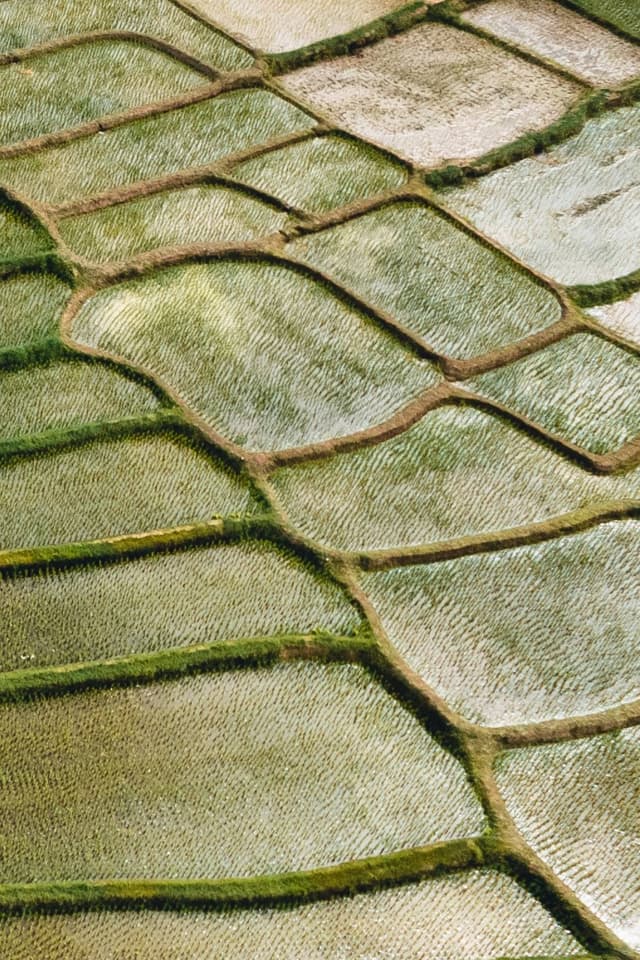
Mati applies silicate rock powders to agricultural fields, starting with rice paddy farms in India. These rocks react with water and CO₂ to produce dissolved inorganic carbon that is subsequently stored in the local watershed and eventually in the ocean. Mati relies on rice field flooding and higher subtropical temperatures to accelerate weathering, and extensive sampling and soil and river modeling to measure removal and deliver co-benefits to smallholder farmers.
Silica
- Track
- Prepurchase - 2024
Silica applies basalt and other volcanic rocks across sugarcane farms in Mexico, where warm, wet conditions speed up the weathering of the materials and storage of CO₂ as bicarbonate. They are pioneering a novel approach that could make carbon removal measurement on small farms easier and cheaper and are working with consumer brands to demonstrate how carbon removal can be incorporated into agricultural supply chains.
Terradot
- Track
- Offtake - 2024, 2025
- Prepurchase - 2023
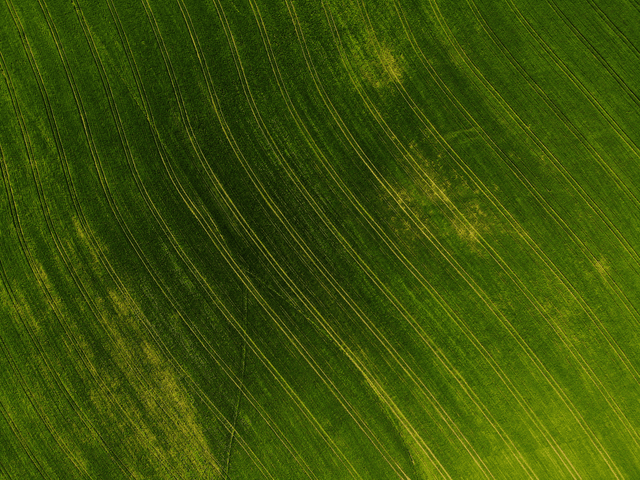
Terradot sources basalt from quarries across southern Brazil and spreads it on nearby farms to weather and remove CO₂. With its warm, humid climate and well-drained clay and sandy soils, Brazil is an ideal geography for field weathering. The deployed basalt also improves degraded soils, taking advantage of government incentives to promote soil restoration and making farmer recruitment easier.
Purchase targets
Frontier continues to look for new purchases from EW companies that complement our existing portfolio and address gaps that accelerate the field more broadly. If you think your company could be a good fit for Frontier's offtake program, please apply below.
Apply for Offtake track
We are also looking for earlier-stage companies with novel, potentially breakthrough approaches that address the target innovation areas outlined here. If you think your organization could be a good fit for Frontier's Innovation program, please apply below.
Apply for Innovation track
Pathway resources
Frontier EW resources
Field weathering buyer principles
Field weathering ecosystem rubric
CarbonPlan's Verification Frameworks
Verification Framework for Enhanced Weathering
Cascade
Foundations for Carbon Dioxide Removal Quantification in EW Deployments