Biomass carbon removal & storage
Biomass carbon removal and storage (BiCRS) are processes that take biomass or organic waste, which contain carbon captured via photosynthesis, and durably store the embodied carbon.
- Tons contracted
- 1.1M
- Dollars contracted
- $369.8M
- Contracted companies
- 13
- Est. total capacity
- 2.5–5 Gtpa
- Average offtake price
- $332/ton
- Current price range
- $214–690/ton

The approach
Biomass carbon removal and storage (BiCRs) includes a range of sub-pathways which vary by feedstock type, conversion technology, and storage method, as well as the potential for co-products and co-benefits like clean energy and biofuel.
| Sub-pathway | Description |
|---|---|
| BECCS | Biomass is combusted or gasified to generate heat, electricity, and/or hydrogen, and the CO₂ released is captured and stored. This process can occur at a variety of facilities, including bioenergy, waste-to-energy, etc. |
| Bio-oil sequestration | Biomass is pyrolyzed to produce bio-oil for sequestration, along with biochar and syngas. |
| Biomass waste injection | Biomass from human or animal waste is injected in a slurry into geologic formations. |
| Biomass burial* | Biomass is buried in shallow vaults that are designed to inhibit decomposition. |
| Biochar* | Biomass is pyrolyzed to produce biochar. |
| Ethanol fermentation + CCS* | Corn is fermented to produce ethanol, and the CO₂ released is captured and stored. |
| Biogas upgrading + CCS* | Biogas generated in anaerobic digesters or landfills is upgraded to renewable natural gas (RNG), and the CO₂ released is captured and stored. |
| Terrestrial biomass sinking* | Terrestrial biomass is transported to ships and sunk deep into the ocean. |
* Sub-pathways that Frontier is not considering for purchase at this time. See our FAQ for more detail on out-of-scope approaches.
BiCRS’s role in a CDR portfolio
BiCRS excels across Frontier’s purchase criteria. Projects tend to be lower-cost, in part because plants capture CO₂ for free. Some sub-pathways like BECCS, bio-oil sequestration, and biomass injection can be more straightforward to monitor at the facility level. Bio-oil sequestration and biomass injection could also scale quickly in the near term.
One of BiCRS’s largest challenges is the sustainable sourcing of biomass. If done poorly, BiCRS could result in a loss of biodiversity, nutrients, and durable above-ground carbon stock. It could also result in greater emissions due to land-use change, clear-cutting, and increased fertilizer use if crop residuals are removed. Therefore, CDR purchasers must adhere to principles that ensure the sustainability of biomass sources. The finite amount of biomass that can be sourced sustainably also means that there is a limit on how much CDR can be realized from BiCRS.
For some BiCRS sub-pathways, durability is an open question. Frontier has several R&D projects on biomass burial and sinking to assess whether it is possible to durably store biomass, thereby avoiding decomposition to methane and CO₂ and thus reversal. For example, initial results show limited risks of methane production when biomass is pre-treated prior to burial.
The BiCRS market is unlikely to have a dominant player; instead it will be fragmented. This is because the best carbon removal sub-pathway will vary based on the type of biomass and location. For instance, the treatment of agricultural residues in the U.S. will differ from that of forest waste in Europe, influenced by factors like transportation logistics, CO₂ storage options, and local policies. Additionally, the largest BiCRS facilities are expected to operate on a scale of a few million tons per year, so BiCRS will rely on many distributed facilities. Projects will also differ depending on whether they are retrofits to existing facilities or entirely new “greenfield” facilities.
BiCRS projects can offer strong co-benefits, such as producing energy carriers like heat and electricity that reduce fossil fuel emissions. BiCRS can also avoid methane emissions, return nutrients to croplands, and destroy chemicals such as PFAS that can harm people and ecosystems.
Characteristics of great projects
The shape of a great BiCRS project varies widely depending on the feedstock used, project geography, and available storage options. A great BiCRS project for Frontier:
Meets our Sustainable Biomass Sourcing Principles. This includes using wastes and residues for which there is no other, stronger near-term use case, rather than purpose-grown crops that could compete with land for food production. Biomass sourcing should also avoid having a negative impact on ecosystems or substituting above ground durable carbon stocks for geologic storage.
Makes the most of a limited amount of sustainable biomass by:
Maximizing CDR efficiency. CDR efficiency is essential because it indicates how much CDR is achieved from a given amount of biomass. It is calculated (for any CDR pathway, not just BiCRS) by taking the amount of carbon stored, subtracting carbon leakage, and then dividing this by the total amount stored. Because there is a finite amount of sustainable biomass, it is imperative to optimize CDR efficiency.
Producing energy to avoid fossil emissions. Since we believe there will be competition for waste biomass between companies that want to use it to avoid fossil emissions (e.g., as sustainable aviation fuels) and companies that want to use it for CDR, great BiCRS projects will use it for both. BECCS is an example of a BiCRS subpathway that does this–it is a high-efficiency CDR pathway that also produces heat or electricity to avoid emissions.
Realizing other benefits beyond CDR. Co-benefits such as returning nutrients to the soil, avoiding methane emissions, or destroying PFAS contamination can increase the climate and health benefits of waste biomass, lower the price of CDR by unlocking additional revenue streams, and help win social support.
Robustly quantifies removal. All BiCRS approaches must effectively demonstrate that the CO₂ in the biomass feedstock would have been quickly released to the atmosphere without the project’s intervention, and that the emissions impact of replacing any existing biomass usage can be effectively accounted for. Beyond this, measurement complexities vary by BiCRS approach and the feedstock used. BECCS, for example, produces a pure stream of CO₂ that is straightforward to measure, while approaches that rely on subsurface injection of biomass (e.g., bio-oil sequestration and biomass waste injection) or shallow burial will need to have solid plans to quantify the amount of carbon in the biomass and ensure that its durability in the subsurface can be monitored.
Offers the flexibility to use multiple sources of waste biomass. This not only increases siting flexibility for a project, but also increases the capacity potential of the approach. Agricultural residues present a particularly strong opportunity for optimization. However, they can be challenging from a cost perspective because the biomass is lower density and more expensive to transport compared to woody biomass waste. Projects that can accommodate a range of biomass sources, especially widely available ones like agricultural residues, are particularly compelling.
Frontier’s BiCRS portfolio
Frontier has purchased from a number of exciting BiCRS projects that match these characteristics. Below are examples from our portfolio.

Arbor
- Track
- Offtake - 2025
- Prepurchase - 2022
Arbor has developed a compact BECCS system that offers both high CDR efficiency and clean electricity that avoids emissions. Relative to conventional BECCS technologies, Arbor’s system could increase CDR efficiency and come down the cost curve faster due to its modular nature.

CO280
- Track
- Offtake - 2024
CO280 partners with pulp and paper facilities to remove biogenic CO₂ produced during containerboard manufacturing. By integrating with an industrial process, CO280 takes advantage of waste streams with a high concentration of CO₂ as well as existing infrastructure to significantly reduce their costs.
NULIFE
- Track
- Offtake - 2025, 2026
- Prepurchase - 2024
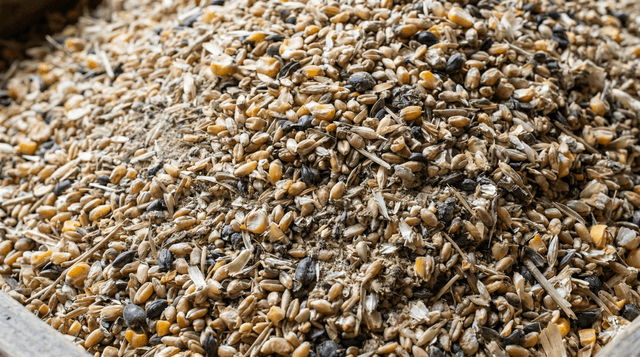
NULIFE GreenTech uses a process called hydrothermal liquefaction to efficiently transform wet and dry waste biomass—including from food processors, grain handlers, pulp and paper mills, and municipal biosolids facilities—into a bio-oil that is injected deep underground for permanent carbon removal.
Exergi
- Track
- Offtake - 2024
Stockholm Exergi is retrofitting an existing bioenergy facility used for district heating with carbon capture. It enables CDR alongside avoiding current fossil fuel emissions and could set a strong example for future BECCS projects. Exergi has built a strong record of sustainable biomass sourcing and community engagement, and as a retrofit, requires minimal additional biomass or land.
Vaulted Deep
- Track
- Offtake - 2024
- Prepurchase - 2023
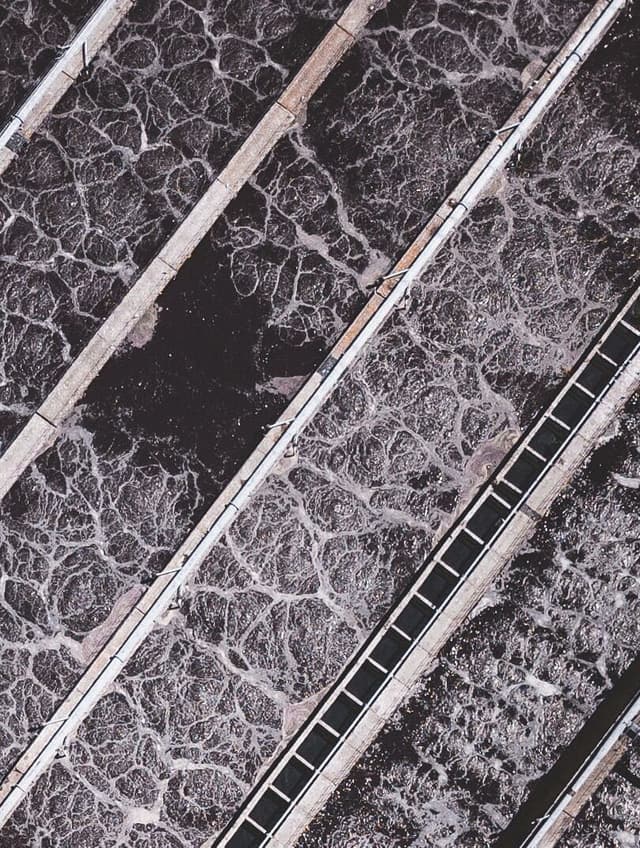
Vaulted injects carbon-rich organic waste biomass that is too moist and contaminated to be used for energy production deep underground. They offer a low-cost disposal solution for organic waste that might otherwise release methane and create human health risks if incinerated or spread on fields. Their approach requires minimal processing prior to injection in Class V wells, which allows them to use a wide range of feedstocks, yields high CDR efficiency, and enables them to scale quickly and cheaply.
Purchase targets
Frontier continues to look for new purchases from BiCRS companies that complement our existing portfolio and address gaps that accelerate the field more broadly. If you think your company could be a good fit for Frontier's offtake program, please apply below.
Apply for Offtake track
We are also looking for earlier-stage companies with novel, potentially breakthrough approaches that address the target innovation areas outlined here. If you think your organization could be a good fit for Frontier's Innovation program, please apply below.
Apply for Innovation track
Pathway resources
Frontier BiCRS resources
Sustainable biomass sourcing principles
Biomass health and ecosystem impact rubric
CarbonPlan’s BiCRS Verification Frameworks